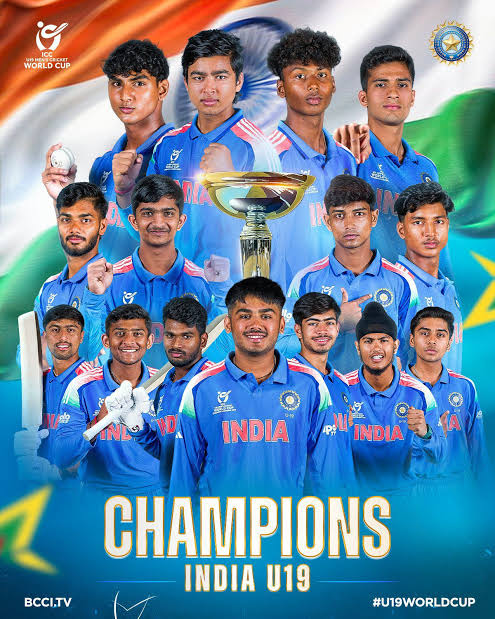
Indian T20 cricket is in the middle of a generational reset. Under captain Shreyas Iyer, the selectors have spent the 2026 summer handing caps to players who, not long ago, were known mainly through IPL highlights. After a long spell with no fresh faces, the door has swung wide open. Here is a look at the newcomers defining the transition.
A Long Wait Comes to an End
For 513 days, India did not give a T20I debut to a single player. The last newcomer had been Harshit Rana in January 2025. That drought ended in Belfast, in the second T20I against Ireland, when Suryansh Shedge and Prince Yadav became India’s 120th and 121st players in the format. Only Pakistan, with 125, has used more players among men’s international sides.
Shedge offers power-hitting and all-round flexibility, exactly the kind of profile India likes to test in bilateral series. Prince Yadav adds another quick option to the attack. His rise has been fast: by the Zimbabwe series he had five caps and was already the most experienced seamer in the XI.
Vaibhav Sooryavanshi: The Teenage Phenomenon
No debut of 2026 has drawn more attention than that of Vaibhav Sooryavanshi. The left-handed opener from Bihar was named in India’s squads for the Ireland and England tours, but he waited on the bench for three matches. His chance finally came in the second T20I against England at Old Trafford on 4 July.
At 15 years and 99 days, he became the youngest player ever to represent India, going past Sachin Tendulkar’s record from 1989. He is also the youngest male cricketer to play a T20I. His debut innings was a 10-ball cameo that included two sixes, though he was stumped, the first Indian man to be dismissed that way on T20I debut. England won the match by four wickets.
The selectors’ faith comes from his numbers. Reports on his IPL 2026 season credit him with 776 runs and 72 sixes at a strike rate above 237. He has since kept his place in the squad and opened alongside Abhishek Sharma in the Zimbabwe series. The challenge now is turning a record-breaking start into a long, consistent career, and not letting the hype outrun the development.
The Pace Reinforcements: Ashok Sharma and Yash Thakur
India’s tour of Zimbabwe in July gave two fast bowlers their first caps. Ashok Sharma, a 24-year-old from Rajasthan who played for Gujarat Titans, debuted in the opening T20I in Harare. He is known for raw pace and bounce, and he caught attention in IPL 2026 for bowling at around 154 kph. His debut was not a wicket-taking one, but he showed the high pace that made selectors notice him.
Yash Thakur followed in the second match, replacing Ashok in the XI. The Vidarbha seamer has been part of the BCCI’s pool of targeted fast bowlers and has worked with the support staff at the Centre of Excellence. He has said he wants to grow into a death-overs specialist in the mould of Jasprit Bumrah, a bold ambition, but one that fits India’s need for bowlers who can finish innings.
India won the opening game by seven wickets, and the youngsters’ roles in the bowling group suggest the management is building depth for the years ahead.
Others Waiting in the Wings
Several more players have earned their first call-ups. Wicketkeeper-batter Prabhsimran Singh, whose IPL record has been strong in recent seasons, was named in the Zimbabwe squad as a destructive option at the top of the order. Left-arm spinner Harsh Dubey, who already has ODI appearances, is still waiting for his T20I cap. Mayank Yadav also returned to the setup after nearly two years out with injuries, a reminder that the new generation includes comeback stories too.
What This Means for India
This is more than a cosmetic change. India’s T20 World Cup-winning core, including Abhishek Sharma, Ishan Kishan and Tilak Varma, remains in place, but the selectors are clearly planning for the next cycle. Three themes stand out:
- Fearless batting: Sooryavanshi, Shedge and Prabhsimran all fit the aggressive template that modern T20 demands.
- Pace depth: Prince Yadav, Ashok Sharma, Yash Thakur and Mayank Yadav give India a pipeline of quicks beyond the established names.
- Role clarity: India has even named specific concussion substitutes for batting, keeping, spin and pace, a sign of a more planned, flexible approach.
There are risks, of course. Young players can be dropped quickly after a single quiet game, as Ashok Sharma’s omission after his debut showed. Fans have also asked for patience and consistency in selection, particularly after Sanju Samson was left out of the Zimbabwe squad. How the management balances opportunity with stability will decide whether this crop becomes a long-term core.
The Road Ahead
India’s T20I talent pool has rarely looked deeper. Domestic tournaments and the IPL keep producing players who are ready for the pressure of international cricket, and the selectors are finally showing the willingness to back them. Whether Sooryavanshi becomes a global star, Thakur a death-overs expert or Shedge a dependable finisher, the next few seasons will tell. For now, Indian cricket fans have plenty of new names to learn.